NEWS
A coordinated wave of apocalyptic warnings from leading artificial intelligence laboratories has triggered a renewed legislative push in Washington, sparking intense debate over whether Big Tech firms are using safety concerns to orchestrate regulatory capture over the nation's computing infrastructure.
The recent firestorm began when an artificial intelligence researcher at Anthropic publicly resigned, issuing a widespread social media warning that major developers are gambling with human safety. Shortly thereafter, Anthropic's head of alignment publicly estimated a greater than ten percent chance that advanced computing systems could cause catastrophic global outcomes within the next decade. Concurrently, Anthropic released a public threat report alleging that state-sponsored actors from Russia, China, and Yemen had attempted to exploit its Claude AI model for cyberattacks, military tracking, and biological research.
Critics and market analysts note that these alarming disclosures coincided directly with a major policy push from industry leaders. Following the public safety warnings, OpenAI formally urged Congress to enact mandatory, capability-based national AI safety requirements. The proposed federal framework includes mandatory pre-deployment testing standards, government-mandated independent assessments, strict cybersecurity protections, and incident-reporting rules for frontier computing systems.
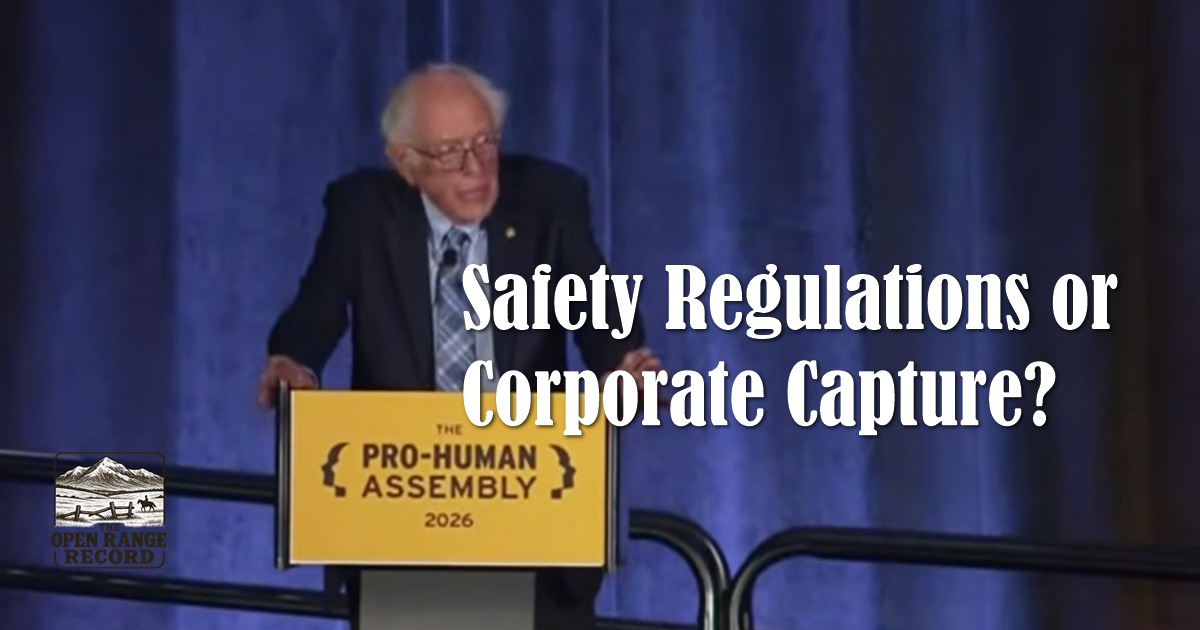
Industry watchdogs argue that establishing a federal regulatory body, essentially an FDA for artificial intelligence, serves the commercial interests of dominant technology firms at the expense of independent innovation. Under a strict federal licensing framework, smaller startups and open-source software developers would face prohibitive compliance costs and legal liabilities, effectively locking in an oligopoly for a handful of heavily capitalized tech giants.
By outlawing or heavily restricting open-source models, which allow small businesses and individual entrepreneurs to run cheap computing tools locally, major labs can eliminate low-cost competition. Furthermore, privacy advocates warn that enforcing federal safety standards on public model usage will inevitably require mandatory digital government identification or biometric authentication to access advanced computing networks, effectively ending online anonymity.
The push for mandatory federal safety rules has encountered strong opposition from free-market advocates and national security experts. President Donald Trump and key congressional figures have rejected calls for development pauses or restrictive licensing, arguing that heavy federal regulation will paralyze domestic innovation and cede technological dominance to foreign adversaries like China, which continues to deploy hyper-efficient open-source models without administrative restriction.
As Congress considers bipartisan safety legislation ahead of the midterm elections, the debate centers on whether federal intervention will truly protect the public or simply insulate Big Tech monopolies from open-market competition.