The first thing you notice walking into a Wyoming convention isn’t politics. It’s the pace. No one is rushing; boots hit the floor steady, not loud. Conversations happen in clusters, not shouting matches. There’s a rhythm to it—handshakes, quiet conversations, people who’ve known each other for years.
And then there are people like me, there for the first time, trying to read the room. I expected sparks. What I found instead was something slower, but not necessarily calmer. There are committees, lunches, vendor booths, and organized chaos. Once the speeches started at the GOP dinner on Friday night, the tone shifted.
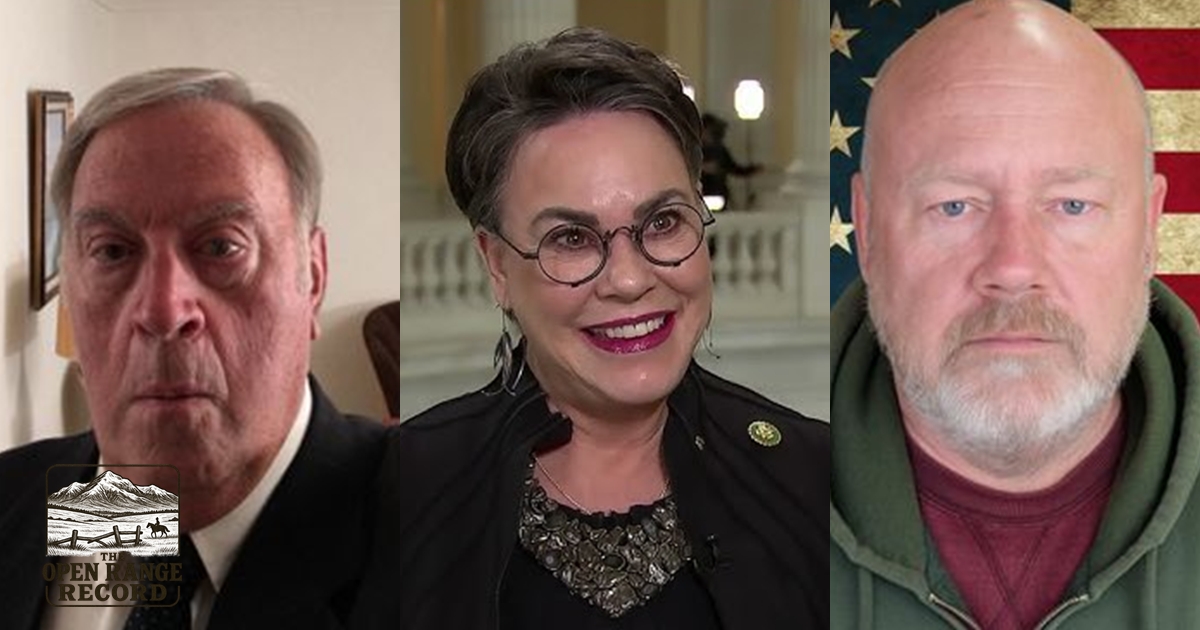
John Holtz offered something quieter still. A judge by background, his tone was measured and steady, noticeably less combative than others. He didn’t chase applause or push the room. Instead, he spoke in a way that felt grounded in process and consistency. It wasn’t flashy, but it stood apart in a setting where tone often carries as much weight as policy.
Harriet Hageman’s delivery was controlled, practiced, and policy-focused. She spoke about federal overreach, constitutional principles, and the role of government with a tone that reflected experience rather than urgency. Whether you agree with her or not, there was structure to her message.
She wasn’t trying to win the room with sharp lines. She was reinforcing a position she has already established. She explained there were too many reasons for her to explain why she is running for the U.S Senate, but the main reason focused on her experience as a trial lawyer going up against federal bureaucrats.
Jimmy Skovgard didn’t ease into the room; he took it. From the start, there was an edge—less reflection, more correction. He talked about spending decades on the sidelines, then finally deciding to get involved. The moment, he said, came about two years ago. Not twenty years ago. Not during the Obama or Biden years. Two years ago—at a time when the top of the ticket wasn’t a Democrat, but a Republican many in the room had already supported.
He didn’t dwell on that contrast, but it lingered. Because the urgency he described didn’t come when the party was out of power. It came when it was deciding what it would be next.
The rest of his speech carried that same tone. There were laughs, but not the easy kind. At one point, he dismissed opposing viewpoints as people “blowing smoke up your rear ends,” suggesting that if you’re listening to the wrong voices, you’re not just misinformed—you’re being played. When he said he was going to “take it to the people,” it didn’t sound like outreach. It sounded like a line being drawn.
That tone felt familiar. A political group called Wyoming Grit has been circulating a polished campaign-style video—wide shots of Wyoming land, wind turbines turning slowly against an open sky, ranchers moving cattle through dust and sunlight. A calm voice speaks about “quiet grit,” about “building, not blocking,” about protecting public lands while keeping government close to the people.
The video’s tone is clean, controlled, and measured. Underneath that calm delivery is a familiar frame—one that divides without appearing to. Builders versus blockers, real Wyoming versus noise, and action versus division. From looking at their website, it is clear that the blockers are The Freedom Caucus. The only opposition mentioned.
Sitting there, listening to Skovgard, it was hard not to notice the similarity. The message wasn’t identical, and there’s no direct evidence tying the two together, but the alignment in tone was unmistakable. Where the video softened the edges, his speech sharpened them. Where the ad suggested unity, the speech felt more like sorting—figuring out who belongs on which side of that line.
That contrast became clearer while listening to the candidates that night. Then, just outside the room, another development added a new layer to the race.
On April 24, Sam Mead announced his candidacy for the Senate. He wasn’t in attendance at the GOP convention, and his name didn’t circulate in the same way among attendees. Still, his entry into the race comes at a time when internal dynamics within the Wyoming Republican Party are becoming harder to ignore.
That includes an imminent legal challenge surrounding newly proposed GOP bylaws, where reporting shows Mead’s mother is a lawyer serving as legal counsel in the upcoming fight between The State of Wyoming and Wyoming Republican party. While not directly tied to his campaign, the overlap places his candidacy alongside broader questions about party structure, governance, and direction.
For a first-time attendee, that undercurrent was hard to miss, because the convention isn’t just about candidates or speeches. It’s about contrast—tone versus tone, style versus style, and a quiet but persistent question about where the party is headed and who gets to define it.
By the end of the day, the words themselves start to blur together. What lingers instead is the feeling. Not just what was said—but how it was said, and when someone decided it needed to be said at all. In the end, conventions pass, but direction sticks. Look closely, listen carefully, and follow the details for yourself.