OPINION
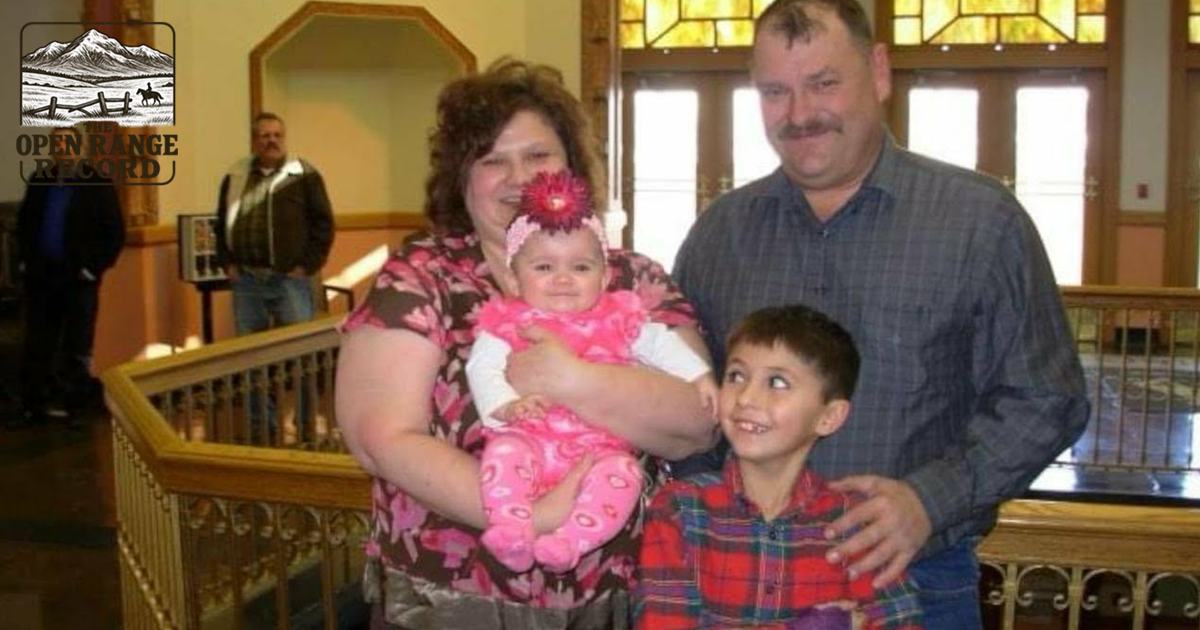
Both of them are my adoption miracles, the blessings from women I may never know, who chose life and loved their babies enough to give them a home where they would be raised, protected, and deeply loved. I’m writing this not as an activist or an expert, but as a woman who has lived through infertility, miscarriage, and the long road to adoption, and as a mother to two adoption miracles who exist because someone chose life.
I want to speak to the human side of this issue, the part that is too often ignored, minimized, or talked over. The life growing inside a woman’s body is not an animal. It is not a dog, a cat, a bird, or a fish. It is a human being, in the earliest and most vulnerable stage of life. That fact matters. It should matter to our laws, our culture, and our conscience.
I have been around women who have had abortions, women I care deeply about, and I have seen the emotional toll it took on them afterward. Many were not fully counseled or informed. Many were not prepared for the guilt, grief, and long-term mental impact that followed. Some experienced physical complications they were never warned about. The decision did not end with the procedure. It stayed with them.
I also want to be clear about something important. The women I know who experienced ectopic pregnancies, miscarriages, or severe genetic abnormalities all wanted their babies. Every one of them. The hand they were dealt was devastating and not something they chose. If they could have made a different decision, if their babies could have lived, they would have chosen life without hesitation.
I know this personally. I struggled with fertility. I suffered miscarriages, and when pregnancy was not possible for us, my husband and I chose adoption. Because of that journey, it is difficult for me to accept the idea that financial hardship, fear, or embarrassment alone justifies ending a human life when other options exist.
It is time we educate women, especially young girls, about the blessing of adoption. Too often, young women find themselves pregnant while embarrassed, panicked, and terrified of what their families, friends, or peers will think. Those are the women and girls who need support, protection, counseling, and compassion, not pressure to believe abortion is the only way out.
There are families who cannot have children on their own who would open their arms without hesitation. There are pregnancy resource centers that provide housing, medical care, counseling, and long-term support. These options are real, but they are rarely emphasized when abortion is framed as the default solution.
In October, I had the opportunity to attend a gala for Inside Connection, the pregnancy resource center in Rock Springs, Wyoming. It was one of those evenings that stays with you.
The event was heart-wrenching and heart-warming at the same time, the kind that strips away political talking points and forces you to confront the human reality of these decisions. The testimonies from the people who work there, many of whom have walked through their own pain, loss, and redemption, made it clear that this work is rooted in devotion, compassion, and lived experience, not judgment.
The keynote speaker’s story was unforgettable. He shared that he was born to a woman who was raped while institutionalized for mental health reasons. While she was still in that institution, plans were being made for her to have an abortion. Instead, she ran away. Pregnant, vulnerable, and alone, she ended up on the streets.
Then something extraordinary happened. A family found her, took her in, cared for her, and walked with her through the remainder of her pregnancy. When she gave birth, that family adopted her baby boy, the very child whose life was nearly ended before he ever had a chance to begin.
That baby grew up to become the man standing at the podium, telling his story. His life is living proof that the circumstances of conception do not determine the value of a human life, and that adoption is not a consolation prize, but an act of courage, responsibility, and grace.
What concerns me deeply is how abortion is so often promoted as a quick fix, a way to make a problem disappear. But for many women, it doesn’t disappear. The emotional consequences can last a lifetime, particularly when the decision was rushed, minimized, or framed as no big deal.
And then there is the abortion pill. Increasingly, young women are taking it without proper medical supervision. If taken too late in pregnancy, it can cause severe complications, hemorrhaging, infection, and real danger to the woman’s life. Informed consent is not optional; it is a moral responsibility.
I believe women deserve the whole truth, not slogans, not pressure, not ideology. They deserve honest education about the medical risks, the emotional impact, and the reality that the life inside them is HUMAN.
I reject the idea that pregnancy is simply a matter of “my body, my choice.” When a woman is carrying a child, it is not just her body anymore. Another human life is present, dependent, voiceless, and deserving of dignity.
A society that calls itself compassionate should be able to hold two truths at the same time:
Women deserve care, dignity, and real support.
And human life, no matter how small, deserves protection and a chance at life.
Every one of us began the same way as vulnerable, unseen, and dependent on someone else’s courage. Each of us was once given the chance to live. I believe that chance should not depend on fear, convenience, or social pressure, but on our shared responsibility to protect life when it is most defenseless.