Opening Scene
The Wyoming Senate chamber was already beginning to quiet down Tuesday night, March 3, as lawmakers filtered back onto the floor following an afternoon recess. Staff moved quietly between desks, papers shuffled, and senators settled into their seats beneath the chamber’s high ceiling.
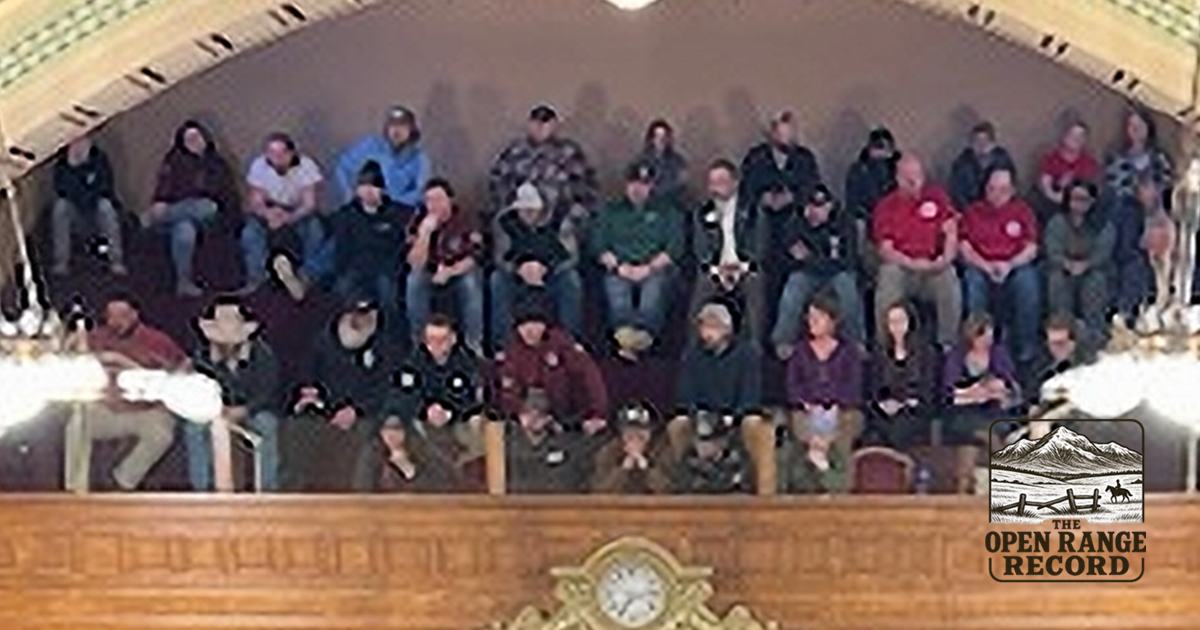
But above them, the balcony told a different story. The Senate gallery was packed. Observers leaned forward over the rail, watching closely as the chamber prepared to resume debate. It wasn’t the usual mix of lobbyists and casual visitors who wander through the Capitol during the day.
Many in the crowd appeared to be public-sector workers — tradesmen and labor employees, several dressed in work clothes more typical of construction crews or maintenance departments than the polished attire often seen in legislative hearings. Whatever had drawn them there, they were paying attention. And when House Bill 178 came up for First Reading, every seat in the gallery seemed to be filled.
What HB0178 Would Do
HB0178 would prohibit public employers from collecting union dues or political contributions through government payroll systems. Under current systems, some public employees authorize automatic deductions from their paychecks that are routed to labor organizations or political funds tied to union activity.
If the bill becomes law, employees who wish to support those organizations would still be able to do so — but they would need to make those payments directly rather than through automatic payroll deductions handled by government employers. Supporters say the bill draws a clear line between government administration and political fundraising. Opponents argue it singles out unions and interferes with voluntary deductions employees have chosen to authorize.
The Argument for Transparency
Supporters of the legislation framed the issue as one of transparency and the proper role of government. In their view, government payroll offices should not act as intermediaries for organizations engaged in political advocacy. If workers wish to financially support a union or political organization, supporters say, that support should be handled directly between the employee and the organization — not processed through a government employer.
Some lawmakers also suggested that when deductions occur automatically through payroll systems, employees may not fully notice how much money is leaving their checks each month. Requiring workers to make those payments themselves, they argued, ensures the decision remains deliberate and visible.
Concerns From Opponents
Opponents of the bill raised concerns that the legislation targets unions while leaving other payroll deductions intact. Public employees commonly authorize payroll deductions for a variety of purposes, including insurance premiums, retirement contributions, and charitable donations.
Critics argue that removing payroll deduction for union dues could create complications for systems employees have voluntarily chosen to use and could weaken labor organizations that rely on consistent dues collection. That concern was reflected in the crowd watching from above.
A Chamber Under Watch
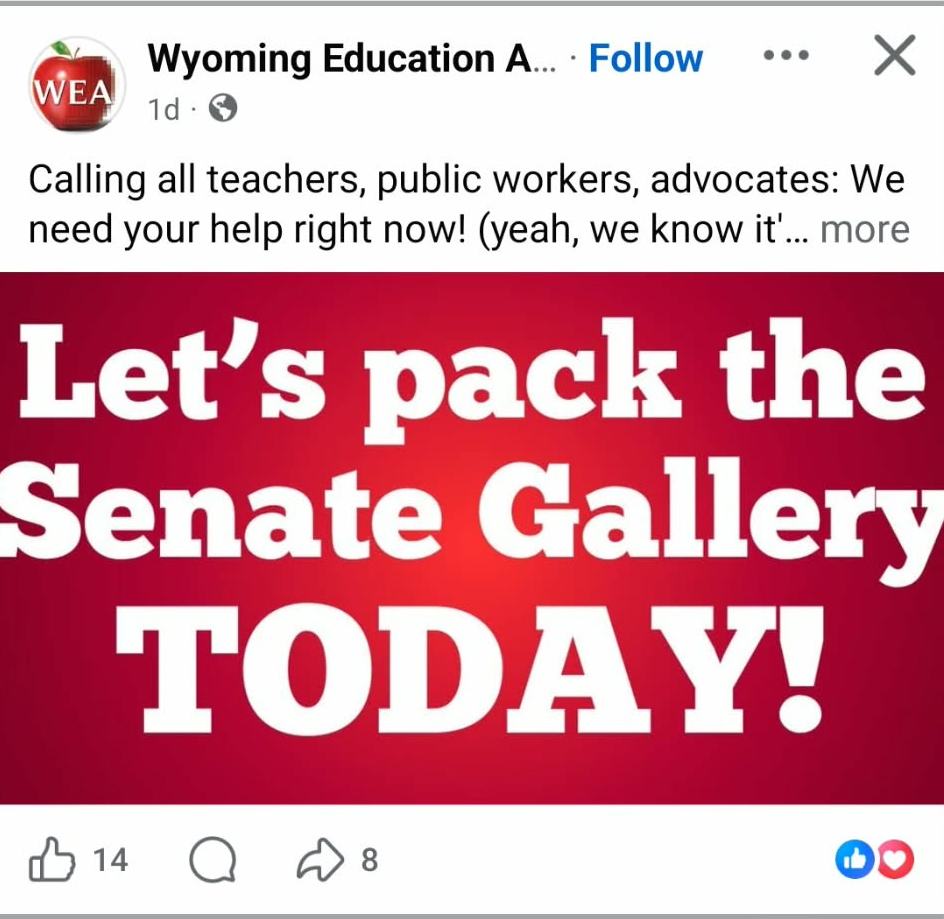
As the debate unfolded, the Senate gallery remained packed. Observers sat shoulder-to-shoulder across the balcony, following the discussion closely. While education groups often appear when legislation affecting unions is debated, the crowd Tuesday evening appeared to include a broader mix of public employees.
Several individuals in attendance looked like tradesmen or workers from public maintenance, transportation, and infrastructure departments — people whose jobs are rarely the focus of legislative debates, but who may also belong to public-sector unions. Their presence added a visible intensity to the moment.
Legislative veterans often say the gallery does not influence votes. But anyone who has spent time in the Capitol knows a full balcony changes the atmosphere in the room. Lawmakers may not admit it publicly, but debates that unfold under the watchful eyes of organized observers carry a different kind of pressure.
A Question About Timing
The circumstances surrounding the debate also raised quiet questions about timing. Earlier in the afternoon, the Senate recessed before returning later in the evening. By the time HB0178 appeared on the chamber’s agenda for First Reading, the gallery was already filled with observers watching closely.
Whether the schedule was simply the result of legislative logistics or something more deliberate is impossible to say. But the optics were unmistakable: senators debating a bill affecting union dues while a balcony full of public employees looked on from above.
What Happens Next
HB0178 passed First Reading in the Senate Tuesday night, advancing to the next stage of debate. The bill will now move to Second Reading, where amendments may be offered, before a final vote is taken on Third Reading.
A Moment That Captured the Debate
Whatever happens with HB0178, the image from the Senate chamber Tuesday night will linger. Below, senators debated whether government payroll systems should collect money for unions and political activity. Above them, a balcony full of public employees watched every word. Legislators often say the gallery doesn’t influence votes, but anyone who has spent time in the Wyoming Capitol knows a full balcony changes the air in the room. Whether by coincidence or design, the debate over union dues unfolded under the watchful eyes of the very workers whose paychecks are at the center of the fight — a reminder that in the Capitol, policy is never just theory. It is power, and everyone in the room knows it.